Manual notePage source detailsAI-generated or AI-assisted provenance details are available here.
Manual note details
This page source note preserves attribution details.
issue-388-creating-character-placeholder-prose: Generated provisional character-creation section glue for issue 388 that points to the live creator and canonical reference pages.
Provider
openai
Model
gpt-5-codex
Prompt
Draft a Creating a Character manual guide for EldritchDark. Link jobs, species, gear, worship, and the live creator. Avoid duplicating rules mechanics, tables, prices, damage, or talent details.
issue-437-player-onboarding-guide: Rewrote the character-creation guide as a player-facing onboarding path that explains choice purpose while keeping mechanics in linked references and the guided creator.
Provider
openai
Model
gpt-5-codex
Prompt
Rewrite the Creating a Character guide for issue 437. Explain the path from premise to playable character: job, species or bloodline, background, dialect, worship and identity, gear, magic-adjacent choices, names, and final readiness. Link live creator and references instead of duplicating fragile mechanics.
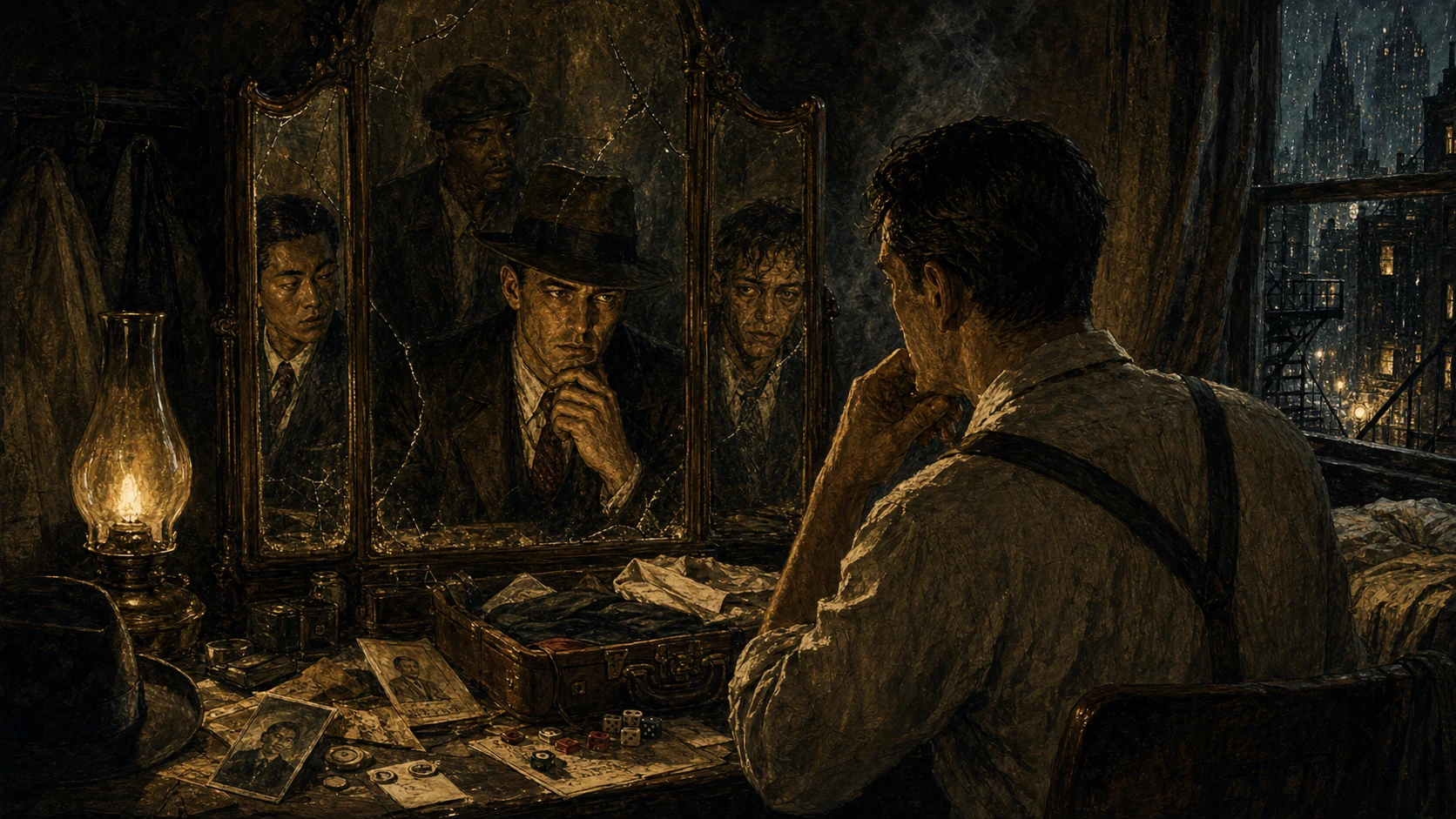
Make the person the table will follow when the rain turns sour, the job goes wrong, and the city starts keeping receipts. The guided creator builds a valid sheet. This guide explains what the choices mean before the dice hit the table.
SourceProvenance detailsAI-generated or AI-assisted provenance details are available here.
Source details
This image source note preserves art attribution details.
issue-407-creating-a-character-section-opener: Accepted provisional production-quality section opener art for Creating a Character while preserving future human replacement history.
Provider
openai
Model
gpt-image-2
Prompt
Create one production-quality provisional section-opener illustration for the EldritchDark manual section "Creating a Character": a smoky 1920s boarding-house room with a cracked mirror, open suitcase, scattered identification papers, hat, coat, dice-like tokens, and rain on the fire escape. A person chooses who to become before a night case; mirror reflections show slightly different ancestries and bad futures on second viewing, while the real figure still reads human and noir. Use Weird Age pulp noir, cheap-paper color, tobacco browns, ink black, sickly yellow lamplight, muted teal rain shadows, and one restrained red accent. Avoid readable text, labels, monster spectacle, fantasy armor, and schematic placeholder art.
Accepted asset path: /assets/eldritchdark/manual/placeholder-art/creating-a-character-section-opener.webp, Generated with the built-in Codex image generation workflow., Selected as one of the bounded issue 407 section opener targets., This event records curation and replacement intent only; issue 405 owns reader-facing section-page integration., Future human section opener art should supersede this AI event in the same log instead of deleting it.
Open the EldritchDark character creatorBuild the sheet with live validation, then use the manual links here to understand what each choice means at the table.
SourceProvenance detailsAI-generated or AI-assisted provenance details are available here.
Source details
This image source note preserves art attribution details.
issue-408-creating-a-character-identity-spot-art: Accepted provisional production-quality spot or artifact art for Creating A Character Identity Spot Art while preserving future human replacement history.
Provider
openai
Model
gpt-image-2
Prompt
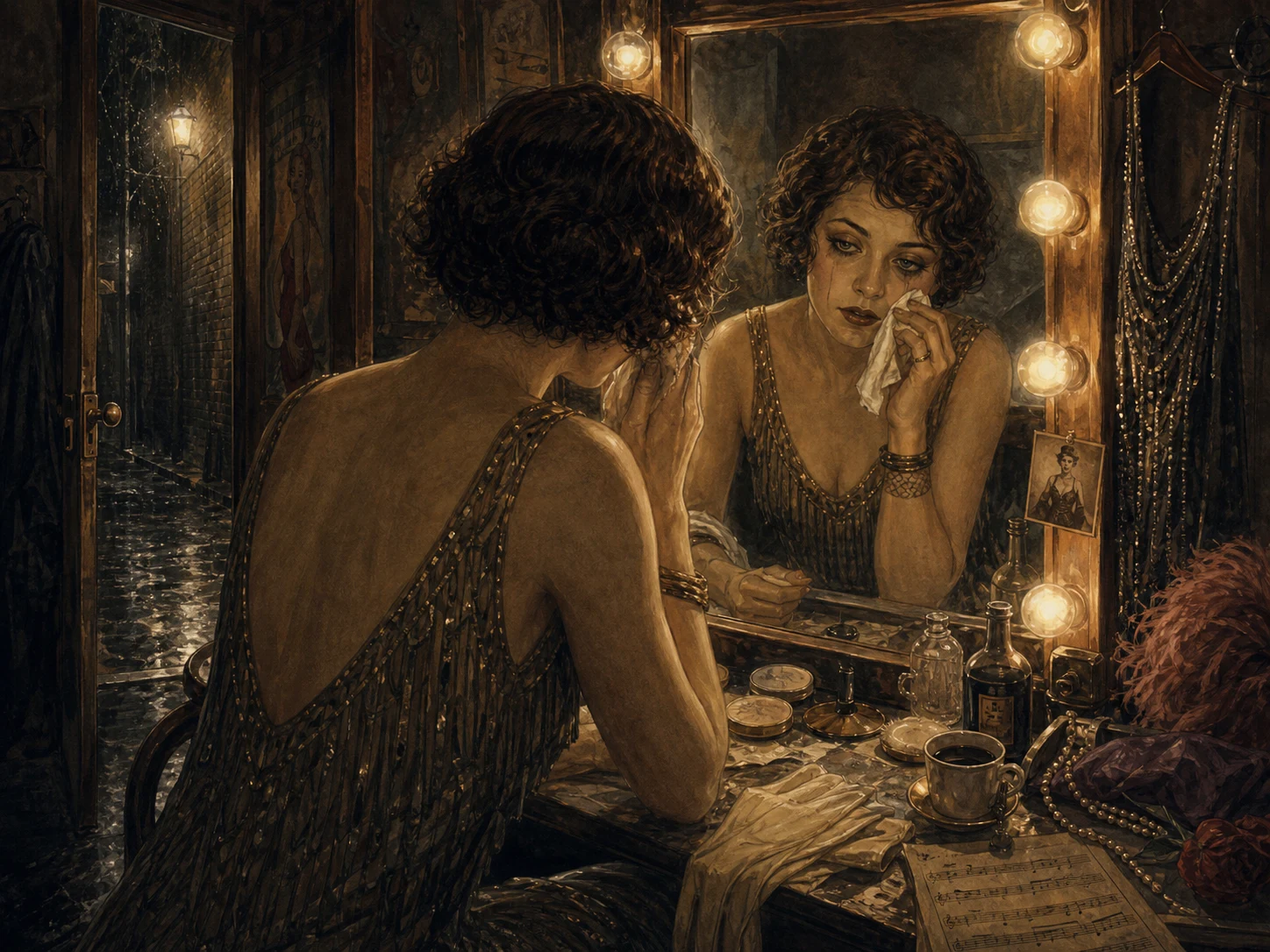
Create a Weird Age pulp-noir character identity vignette: a cramped theater dressing room behind a vaudeville stage, vanity bulbs, powder, gloves, a beaded dress, a rain-spattered alley door, sheet music, and coffee cup. Show one performer alone at the mirror after a show. The performer has only one oddity: a small scaled patch at the wrist partly hidden by a bracelet.
Accepted asset path: /assets/eldritchdark/manual/placeholder-art/creating-a-character-identity-spot-art.webp, Generated with the built-in Codex image generation workflow., Selected as one of the bounded issue 408 spot/artifact targets., This event records curation and replacement intent only; issue 409 owns reader-facing spot and artifact integration., Future human manual art should supersede this AI event in the same log instead of deleting it.
What You Are Making
SourceProvenance detailsAI-generated or AI-assisted provenance details are available here.
Source details
This image source note preserves art attribution details.
issue-408-creating-a-character-dossier-artifact: Accepted provisional production-quality spot or artifact art for Creating A Character Dossier Artifact while preserving future human replacement history.
Provider
openai
Model
gpt-image-2
Prompt
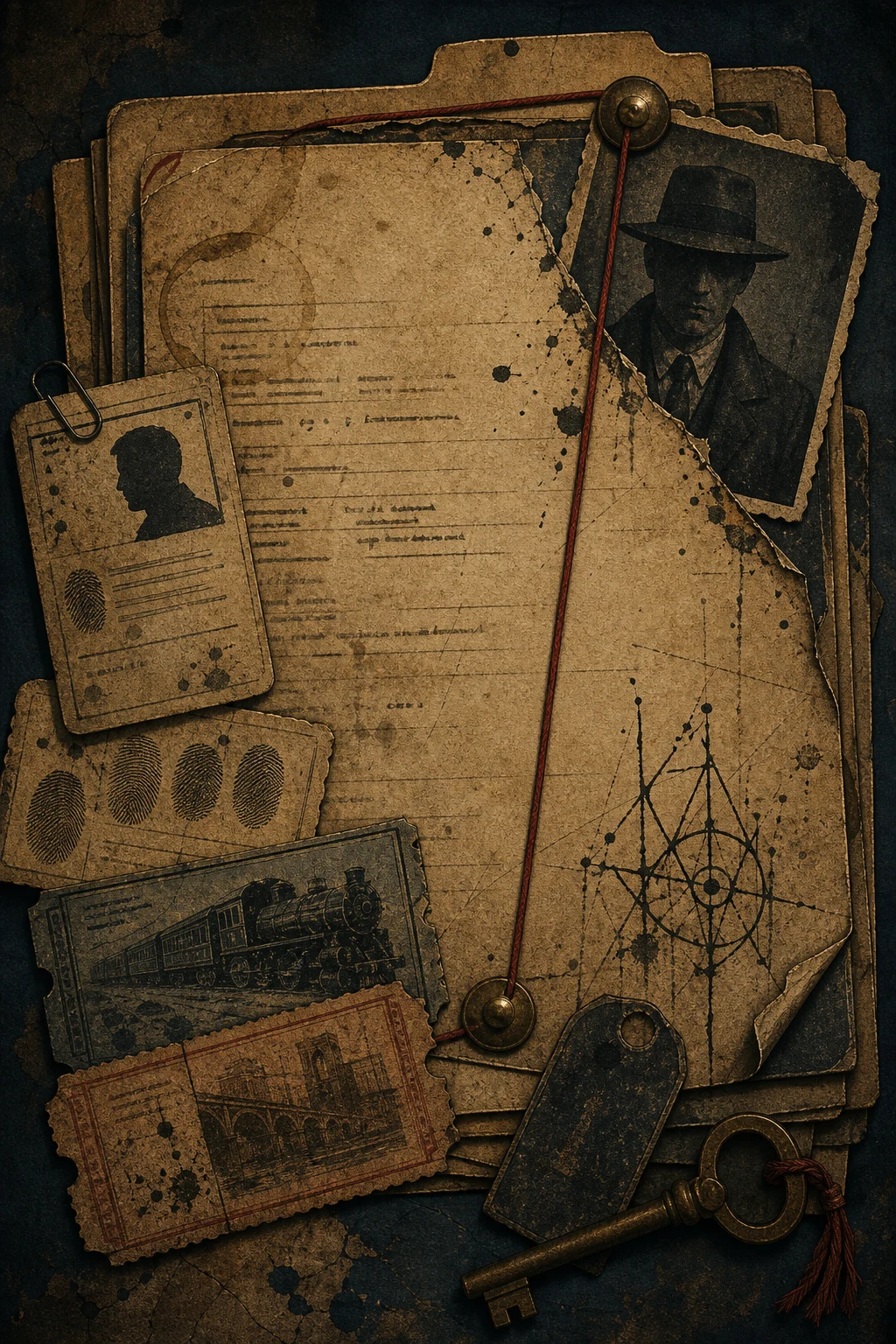
Create a character dossier artifact with overlapping identity cards, train ticket shapes, a torn portrait photo, a hotel key, red thread, ink fingerprints, and a marginal warning symbol.
Accepted asset path: /assets/eldritchdark/manual/placeholder-art/creating-a-character-dossier-artifact.webp, Generated with the built-in Codex image generation workflow., Selected as one of the bounded issue 408 spot/artifact targets., This event records curation and replacement intent only; issue 409 owns reader-facing spot and artifact integration., Future human manual art should supersede this AI event in the same log instead of deleting it.
A character sheet is a set of table promises. It tells the referee what trouble you can solve, what trouble follows you, and what details the rest of the table can lean on when a scene gets dangerous.
Start with a playable premise, not a complete biography. A useful premise gives you a job, a visible place in the Weird Age, a reason to take bad work, and one or two details the table can remember under pressure.
Choose a job first. Your job is the clearest table signal: it says what kind of problems you are built to notice, which risks feel natural, and what your player looks for when the room goes quiet. Read the job section for the shape of the work, then follow the job references when you need exact sheet entries.
Choose a species or bloodline next. Bloodline is what strangers notice before they know your name, and what old debts may notice before you do. Use the bloodline guide for orientation, then open the linked ancestry references for current source-backed records.
Let background, dialect, and identity choices sharpen how you move through a scene. Background gives the table a past to tug on. Dialect says which doors, rooms, and rumors sound familiar. Identity choices tell everyone what you answer to when the case file gets personal. Use the creator for the validated lists and write the choices down as hooks, not decoration.
Faith and worship are social facts before they are mysteries. A creed, custom, cult, or refusal of all three can decide who trusts you, who suspects you, and which favor costs more than money. Read the worship section for the current manual frame, then let the table keep final religious detail flexible.
Choose gear by asking what your character expects to survive. A weapon, a tool, a keepsake, and a suspicious little object all tell the table how you prepare for trouble. The gear references carry prices, properties, and other current values, so use them when the sheet needs exact entries.
Magic-adjacent choices need extra care. Some jobs, baubles, and strange gifts make the unnatural part of play. Read the magic guide when a choice smells of spellwork, divination, haunted objects, or bargains nobody sensible would sign.
Name the character last. A good name sounds like it belongs on a witness list, a wanted poster, a club bill, or a torn envelope found in a dead man's coat. If the creator offers names or nicknames, use them as sparks and keep the one the table can say quickly.
A character is ready when the sheet is valid, the table can say who you are, and you know where to look when a rule detail matters. Before play, check the sheet for job, bloodline, background or identity choices, dialect, worship if any, gear, name, and whatever magic-adjacent entries the creator validated.
When you need an exact value, open the reference. When you need a legal sheet, open the creator. When you need to play the character, carry the premise forward and let the first scene make the rest of the file messy.